What is the background for this experiment?
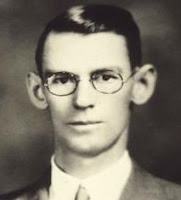
The Stroop Effect is an effect found in the 1930s by John Ridley Stroop. This effect is used as a test in psychology. This effect explains how our brain processes information. This effect demonstrates how interference can slow down how the brain processes information because it is trying to sort various thing s at the same time.
How is the experiment conducted? (explain step by step in as much detail as possible)
The Stroop Effect consists of a list of colors printed in the same color of ink. First, the person is asked to say the colors from the list and you can see it is going to be very easy for the person to read them, if you want you may record the time to compare afterwards. Then, the subject is given a list of words with names of colors printed in different colored ink. They are told to tell the color of the ink of the words fast and you will see it is much more difficult for the person.
What are the results?
The result of the Test is probably going to be that the person said the first set of words easily and without any mistakes or confusions. And the second set of words you will see is going to be much difficult for the person to say the colors quickly and most subjects even make many mistakes.
Why do these results occur?
You may find that you hesitate or stumble, because the brain is trying to pay attention to more than one thing, reading and the visualizing the colors. The brain tries to process two types of information: a color, and a word naming a color. This is why it is much more difficult to read the second set of words.
http://www.wisegeek.com/what-is-the-stroop-effect.htm
The Stroop Effect is an effect found in the 1930s by John Ridley Stroop. This effect is used as a test in psychology. This effect explains how our brain processes information. This effect demonstrates how interference can slow down how the brain processes information because it is trying to sort various thing s at the same time.
How is the experiment conducted? (explain step by step in as much detail as possible)
The Stroop Effect consists of a list of colors printed in the same color of ink. First, the person is asked to say the colors from the list and you can see it is going to be very easy for the person to read them, if you want you may record the time to compare afterwards. Then, the subject is given a list of words with names of colors printed in different colored ink. They are told to tell the color of the ink of the words fast and you will see it is much more difficult for the person.
What are the results?
The result of the Test is probably going to be that the person said the first set of words easily and without any mistakes or confusions. And the second set of words you will see is going to be much difficult for the person to say the colors quickly and most subjects even make many mistakes.

Why do these results occur?
You may find that you hesitate or stumble, because the brain is trying to pay attention to more than one thing, reading and the visualizing the colors. The brain tries to process two types of information: a color, and a word naming a color. This is why it is much more difficult to read the second set of words.
http://www.wisegeek.com/what-is-the-stroop-effect.htm




 technology differs from a 40-year old’s, therefore their perception also differ. Culture plays an important role in our perception. Different cultures have different ways of interpreting experiences, values and practices. Race, ethnicity, gender, economic class and age are external fact
 ors that influence our perceptions. Religion, spirituality and sexual orientation are internal influences. Social rules such as being respectful to your elder influence our perception. Our role in society and how we should act influences too. Our perceptions are influenced by others and by our own senses. For example, I love to pass by Mr. Dougherty’s room because he laughs at my jokes and I laugh at his. The way he responds to my jokes influences my perception of him and his class. I like to be short becaus
 e someone once told me short people are the ones with the biggest heart, what this person said shaped my perception about short people. I liked putting chinches on my foot but last time I hurt my toe with one so my experience with chinches gave me the perception that I could hurt myself again. I like sleeping with my grandma because when I was younger she used to have presents for me every time I slept with her, and now even though she does not give me presents I feel really comfortable and happy when I sleep there. The way my grandma treated me influenced my perception of her. I hate going to Boston because once my family and I went there for Christmas and it was the first time I had been a
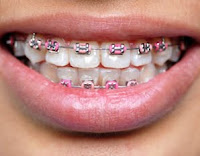
 way from home and my grandparents for the holiday so it brings me bad memories. This trip gave me a bad perception of Boston. I don’t like going to the dentist because every time I go there or the dentist huts my cheek or tells me I have to come again meaning that my she won’t take my braces any day soon. The pain caused by my braces reflects upon a bad perception towards dentists. Perception is shaped by our experiences.
 The knowledge of every man consists on his experience. Every person has different experiences therefore a different perception of reality. Some life experiences might be impossible to recall but they are always stored in our brain. This is why we all have different fears and joys. This is related to Classical Conditioning because things have different meanings according to everyone’s experience. Our perception of the world starts since we are in the womb. So, even though we can’t remember anything when we are a child, our brain still has this memory present. That is why perception is our reality because everyone’s perception reflects on the way they live. Let’s say I got bit by a dog when I was a kid, my perception of dogs would be fear and I would try to be as far away from them as possible. This would be my perception of dogs. But others might have had a dog they had connected very well to; this person probably loves dogs and has one. This is his feeling towards dogs. So, everyone’s life revolves on the person’s perspectives and experiences. A person’s style of living is build up by the perceptions he/she has, our perception becomes our reality.